

You are currently viewing VMLogin Antidetect Browser X PlainProxies Integration Guide

VMLogin Antidetect Browser X PlainProxies Integration Guide

What is VMLogin Antidetect Browser?

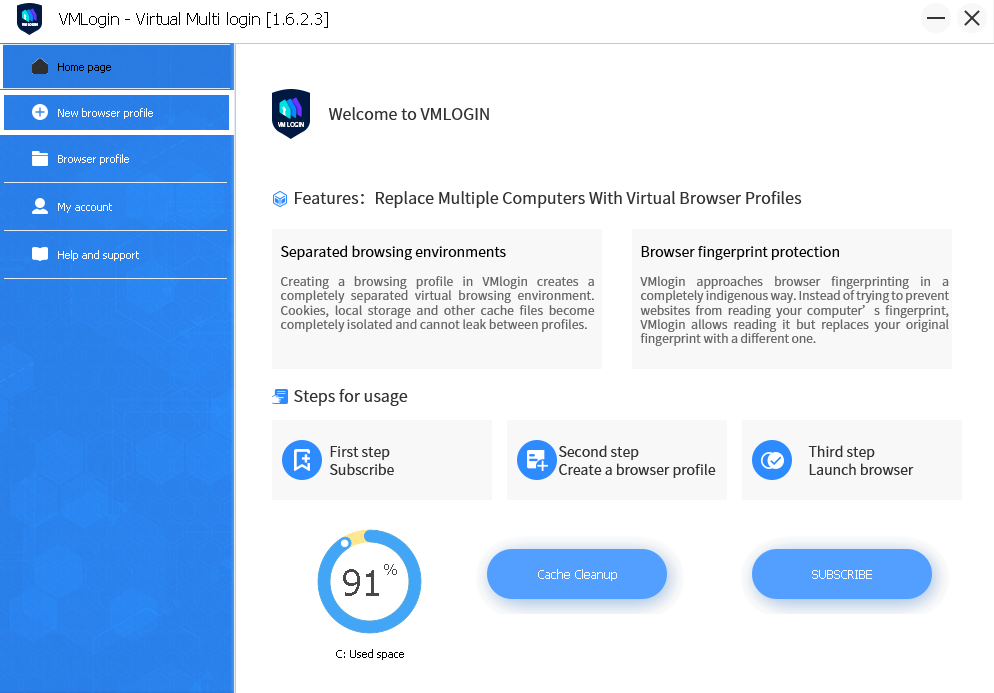
VMLogin is an antidetect browser for secure multi-account management. It allows users to create multiple isolated browser environments, each with its own unique fingerprint, cookies, and proxy setup, making it ideal for use cases where privacy and account separation are critical.

Widely used in e-commerce, social media, and affiliate marketing, VMLogin helps teams and solo operators manage dozens or hundreds of accounts without bans or overlaps. With advanced automation, remote team collaboration, and smart session handling.

Getting started

Create an account, then download the app & log in.

Proxy Setup

1. On the main page select + New browser Profile

Create profile

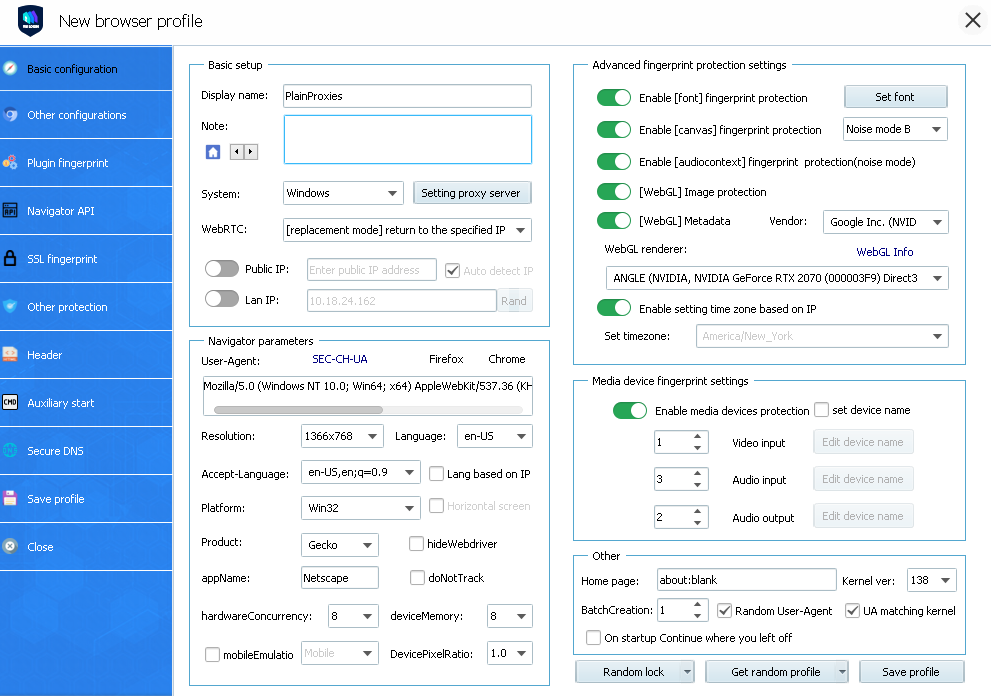
2. Adjust your fingerprint settings

Customize the Fingerprint

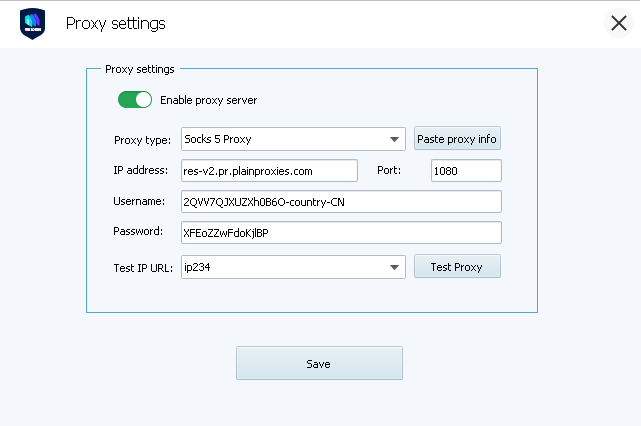
3. Configure the proxy details depending on the proxy product:

Residential Proxies

Type: HTTP, SOCKS5
Host: res-v2.pr.plainproxies.com
Port: 8080 (HTTP), 1080 (SOCKS5)

We recommend to use the Proxy Generator on our dashboard to help you generate your desired proxy.

Datacenter Proxies

Type: HTTPSOCKS5
Host: dc.us-pr.plainproxies.com
Port: 1338(HTTP), 1339 (SOCKS5)

Setup the proxy

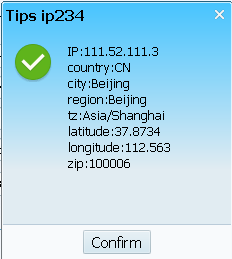
4. Test the IP and check if it is configured correctly

6. Launch the Profile & verify the connected IP represents the proxy.

You can now successfully browse the web completely anonymously behind backed by our residential proxy networkIf you need any help with your setup, feel free to reach out to our live chat support. We are happy to help!

Also check out our integrations blog category for more guides on how to use popular, anti-detect browsers.

Try VMLogin Free for 3 Days
Experience all the features of VMLogin with a no-risk, 3-day free trial. Perfect for testing multi-account workflows with Plain Proxies and seeing the results for yourself.

Section Title

Best Proxy Type for Lead Generation

Lead generation success depends heavily on proxy selection. The wrong proxy type results in blocked...

How to Choose the Right Proxy Type: Residential, ISP, Datacenter, or IPv6?

Selecting the wrong proxy type leads to failed operations, wasted budget, and blocked IP addresses...

How Proxy Networks Work: IPs, Rotation, Sessions & Detection Explained

Proxy networks power web scraping, SEO monitoring, and multi-account management across global...

How Residential Proxies Help Bypass Bot Detection on E-commerce Platforms

E-commerce platforms have become hostile territory for automated data collection. Amazon blocks over...

Unlimited Proxies for Agencies: Scale Campaigns Without Bandwidth Limits

Digital marketing agencies face a common problem when scaling client operations. Bandwidth caps...

How Unlimited Residential Proxies Power Enterprise-Scale Automation

Unlimited residential proxies give enterprise teams unthrottled access to real-user IPs, enabling...

Why Residential Proxies Are the Gold Standard for Web Scraping (And When Datacenter Wins)

Residential proxies deliver higher success rates in web scraping because they use IP addresses from...

Unlimited Residential Proxies vs Pay-Per-GB: Which Model Works Best for Scale?

Unlimited residential proxies offer flat-rate bandwidth for continuous, high-volume proxy tasks...

Unlimited Residential Proxies: What They Are, How They Work, and Who Should Use Them

Unlimited residential proxies give users unmetered bandwidth and session flexibility using real...